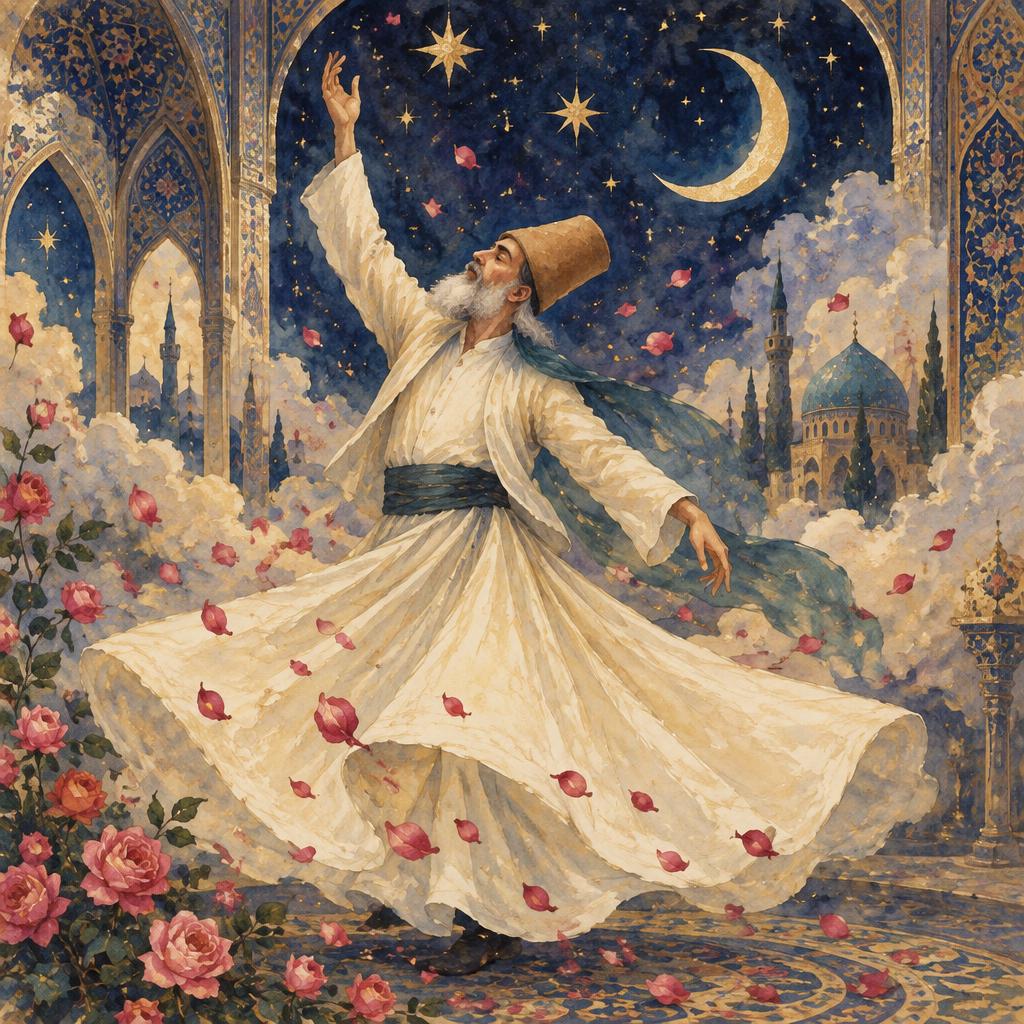
1207-1273
Rumi
Persian / Anatolian · Sufi Muslim
One of the archetypal poets of divine longing; the later Mevlevi tradition joins his poetic world with music and whirling.
Read the portrait
Many paths. One human longing. 76 entries
I created this library to remember the mystics. To embody them. To become an instrument for what moved through them — and still moves through us.
Read Luba's messageFeatured doorways
1207-1273
Persian / Anatolian · Sufi Muslim
One of the archetypal poets of divine longing; the later Mevlevi tradition joins his poetic world with music and whirling.
Read the portrait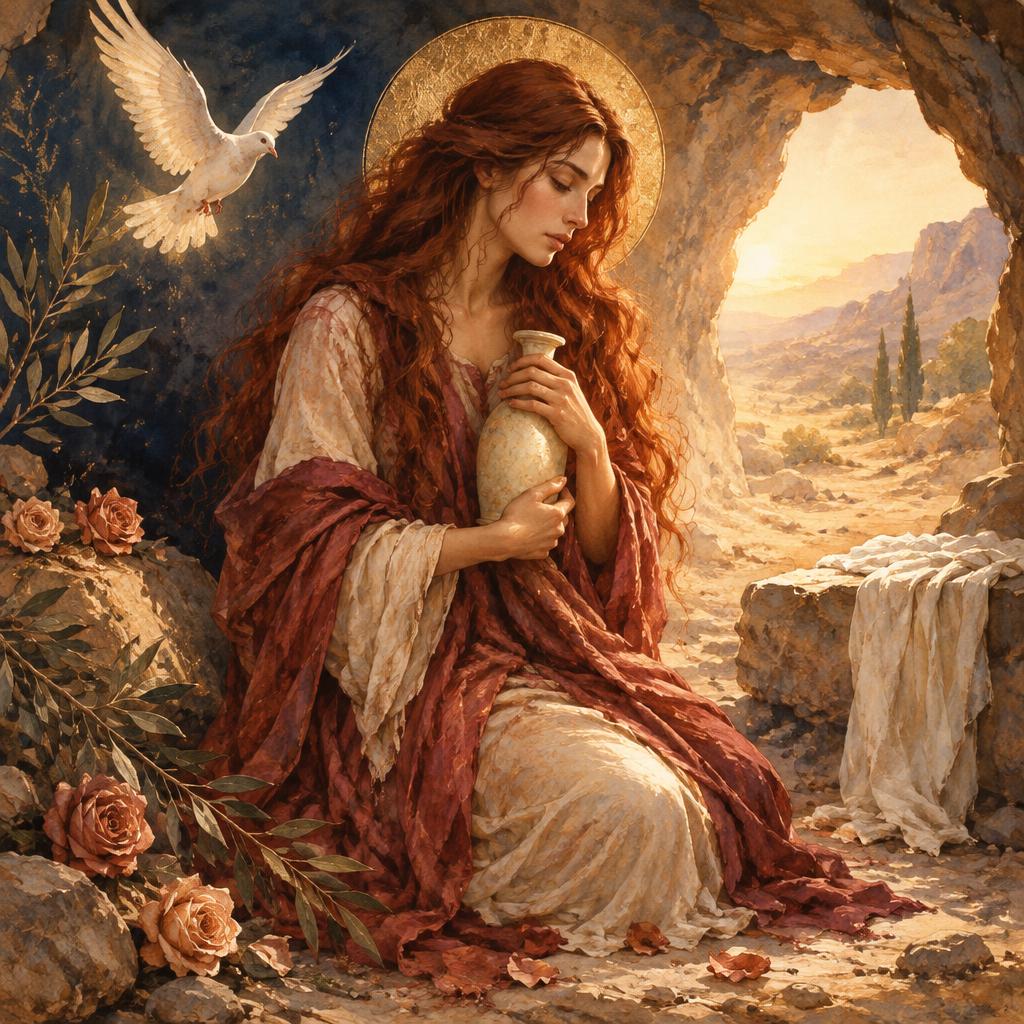
1st century CE
Middle East / Mediterranean · Christian mysticism
The apostle to the apostles, witness to resurrection, and keeper of anointing — a doorway into sacred feminine mysticism.
Read the portrait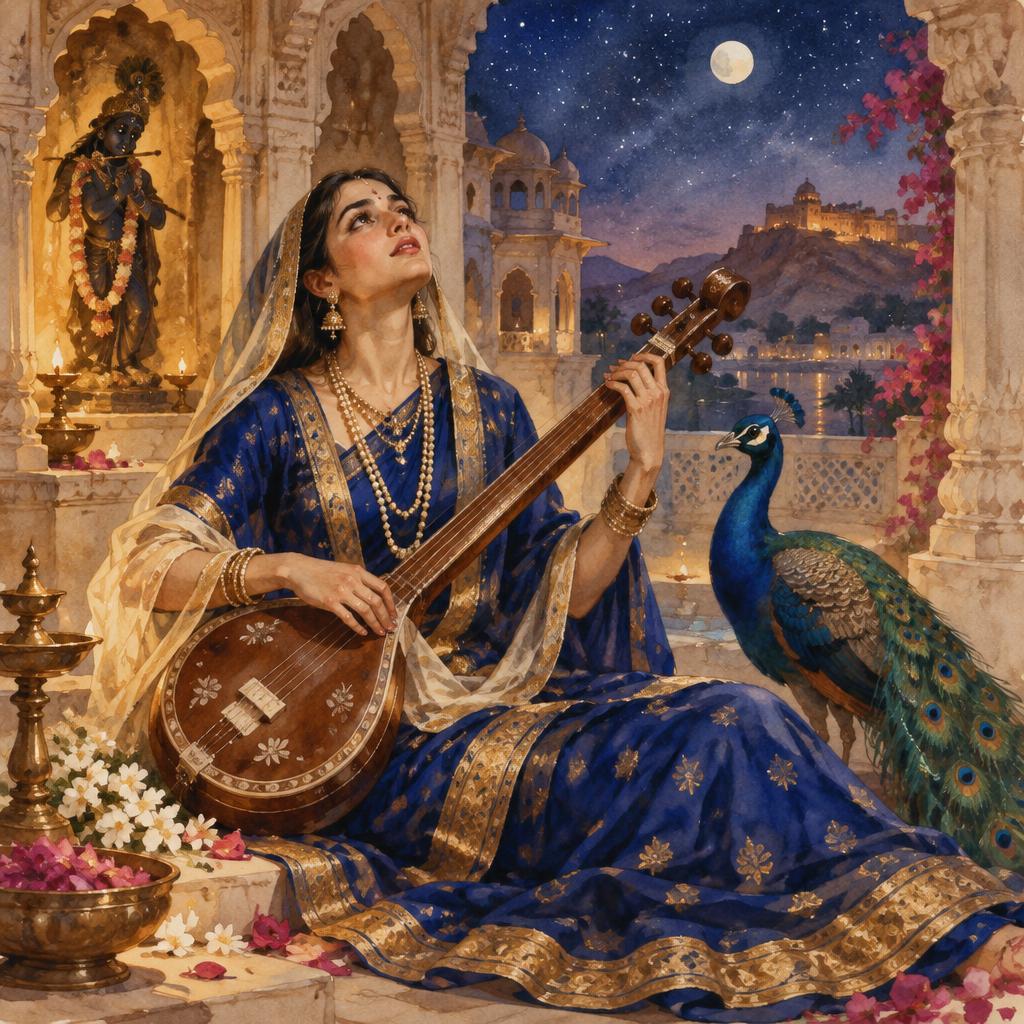
c. 1498-1546
Rajasthani Indian · Krishna Bhakti
Divine love is experienced as intensely personal longing; singing becomes devotional technology.
Read the portrait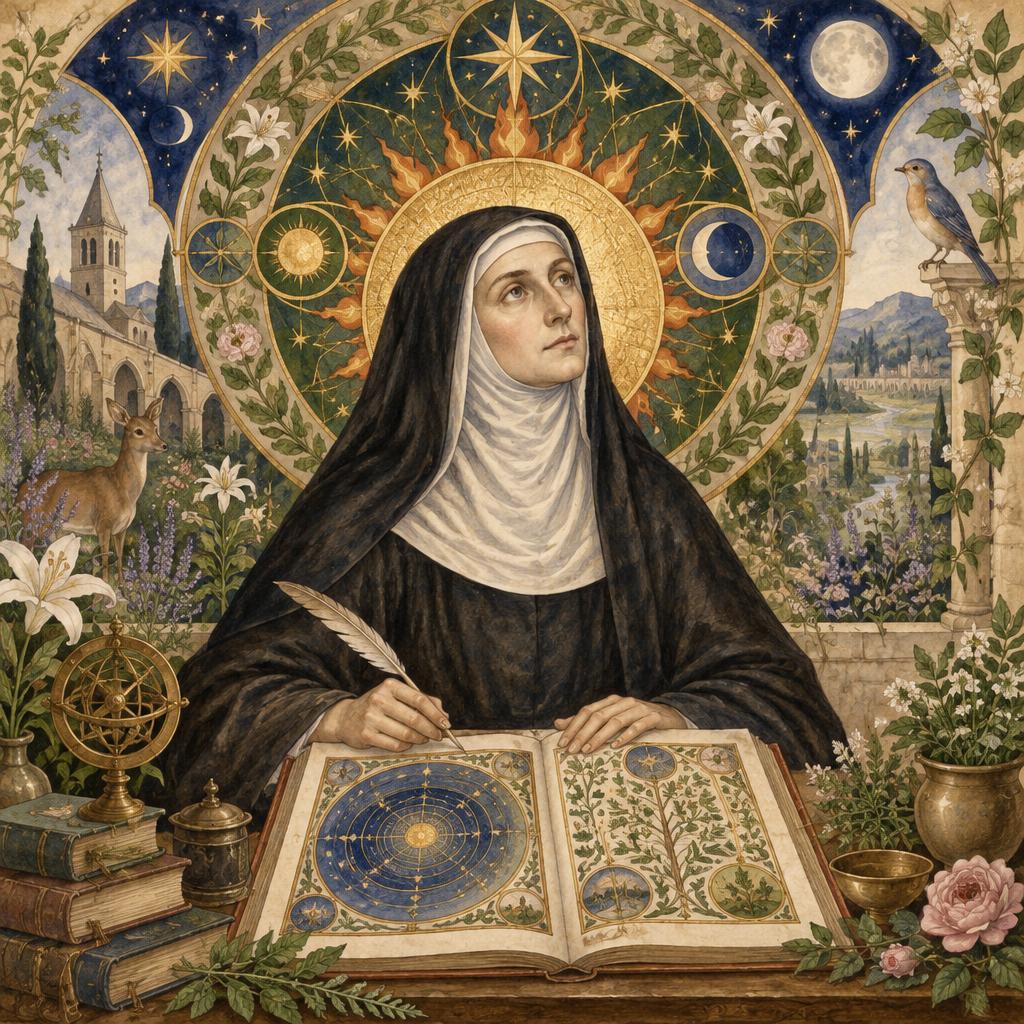
1098-1179
German · Christian
A visionary whose mystical consciousness generated music, text and images rather than separating those media.
Read the portrait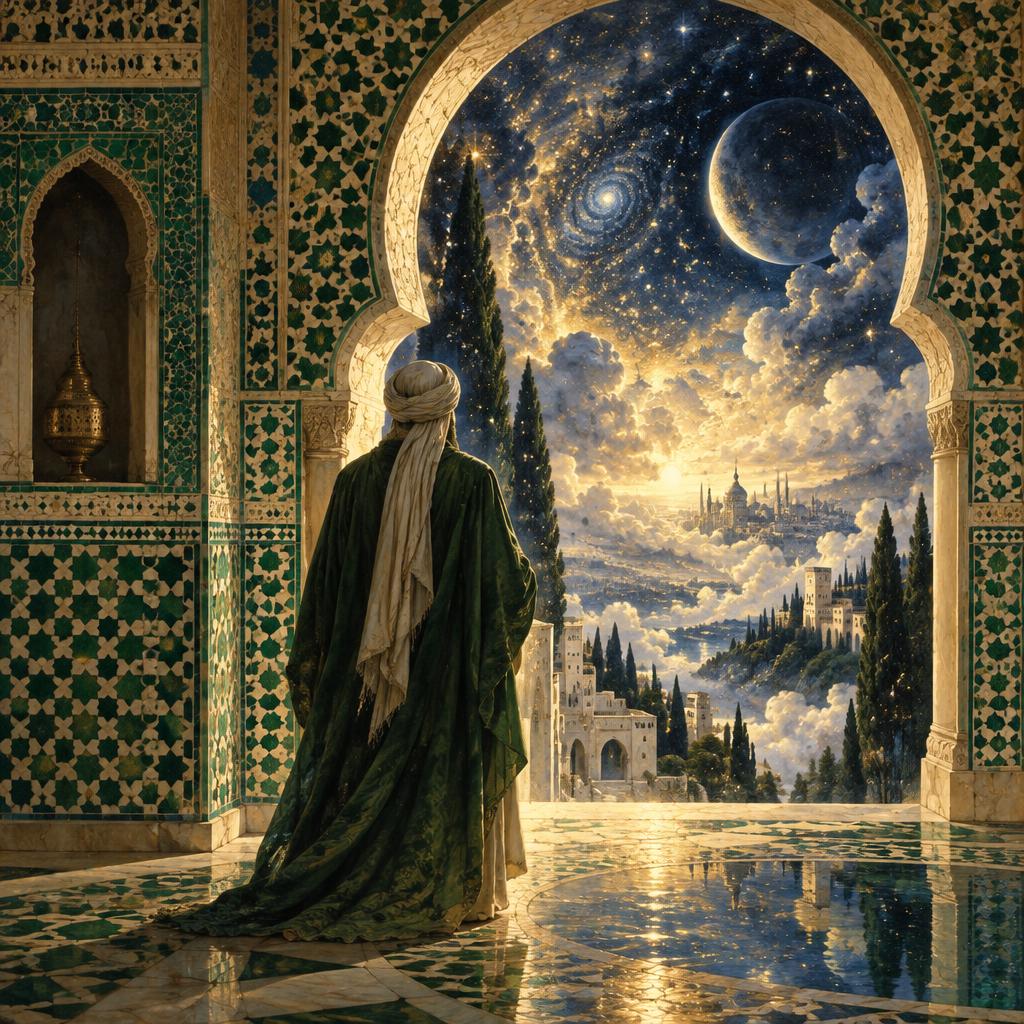
1165-1240
Andalusian / Arab · Sufi Muslim
Important for the imaginal: spiritual realities can appear through forms that mediate between material perception and abstraction.
Read the portrait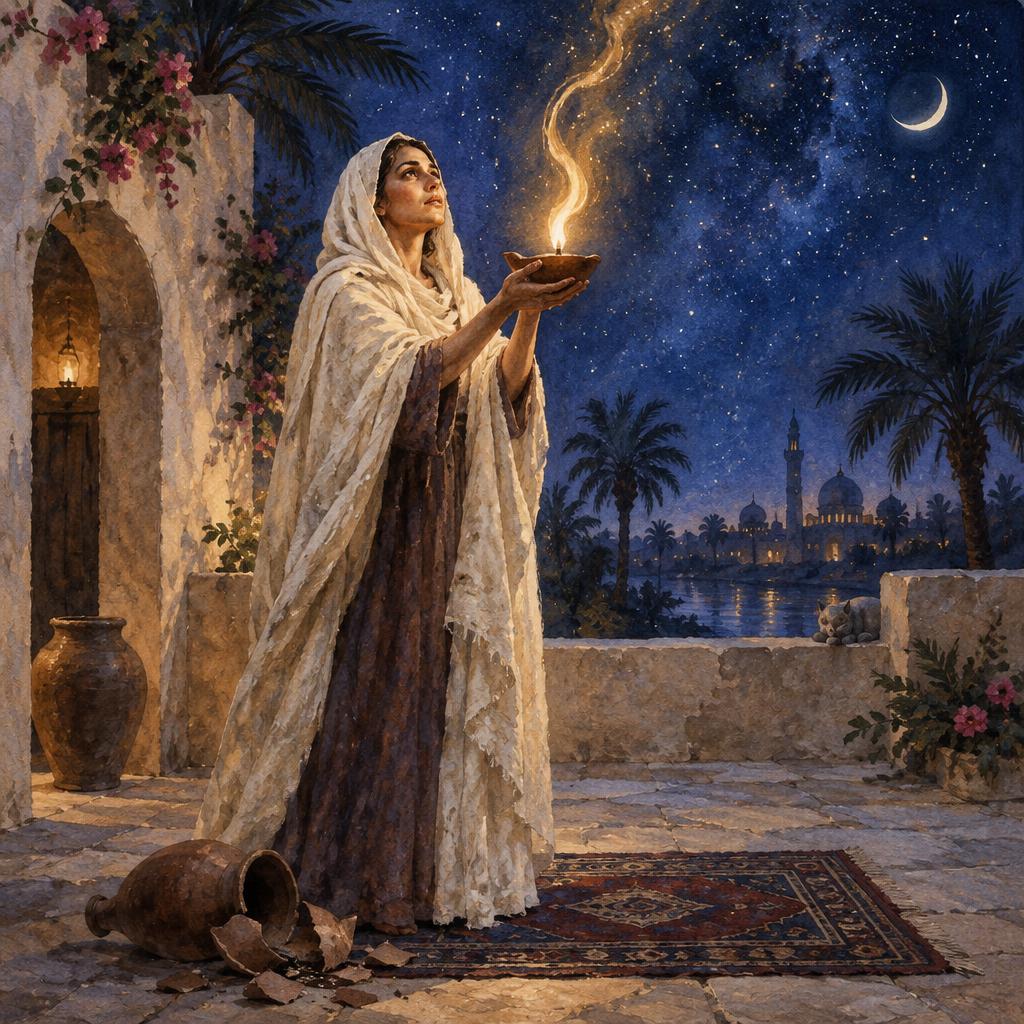
c. 714–801 CE
Iraq / Basra · Sufism
The saint of Basra who taught that love, not fear or hope, is the only true motive on the Sufi path.
Read the portrait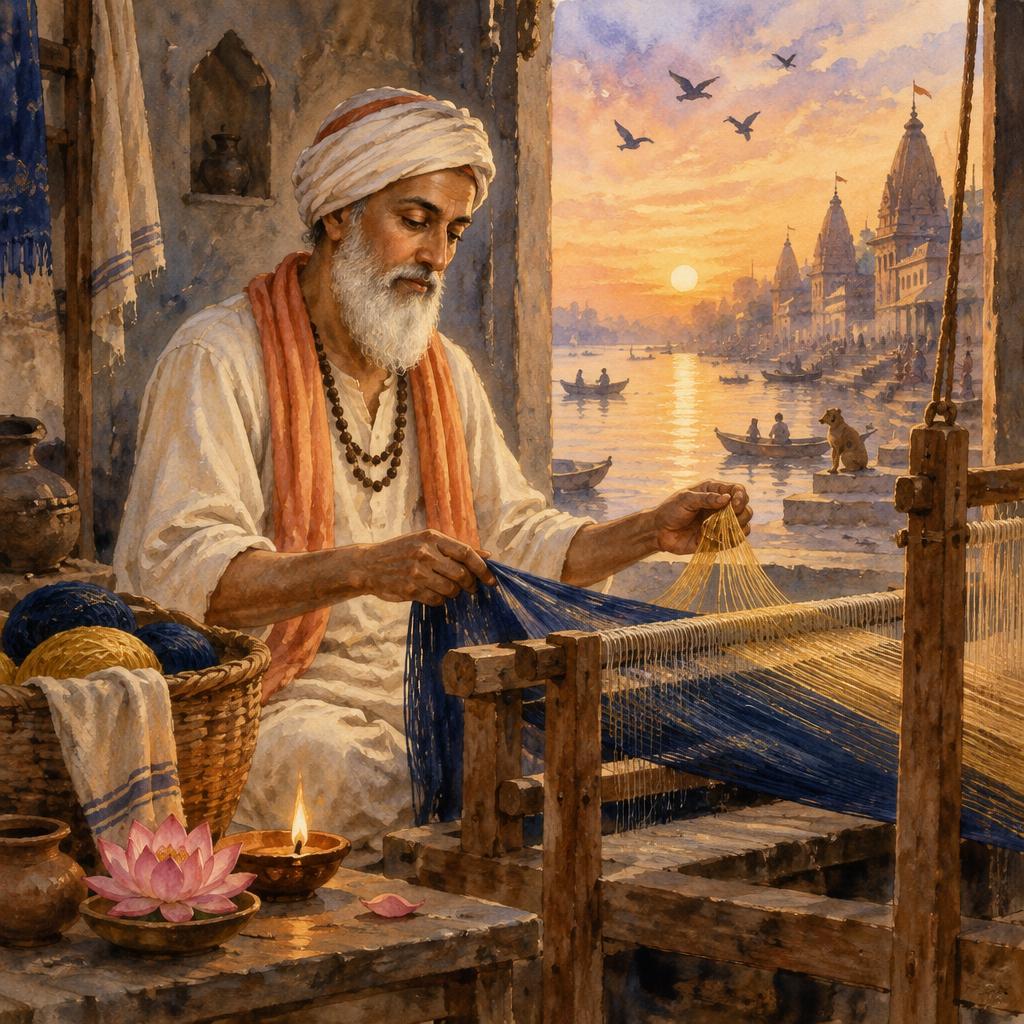
15th c.
North Indian · Sant tradition
Radical poet who attacks empty formalism and repeatedly returns attention to immediate spiritual experience.
Read the portrait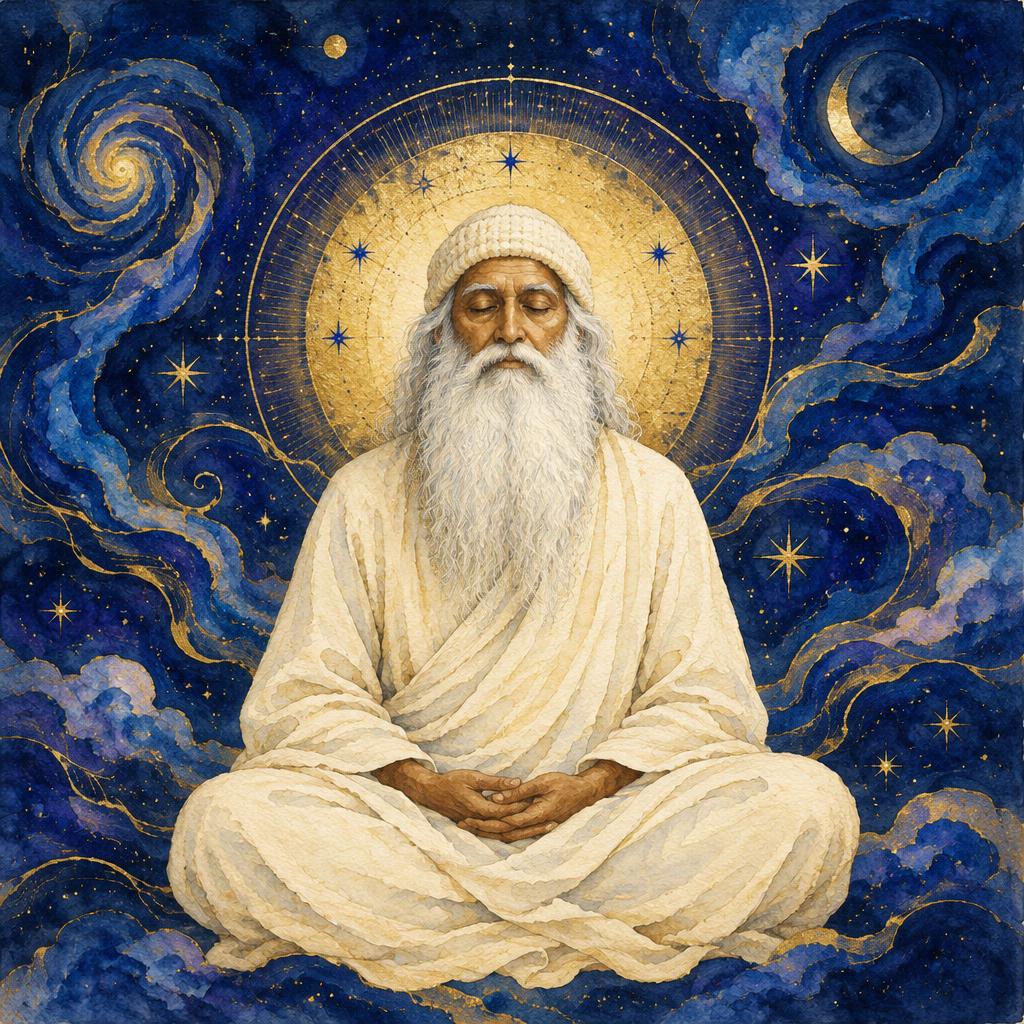
1931–1990
Indian · Contemporary mysticism
A controversial and electrifying modern mystic who taught meditation not as withdrawal but as total aliveness — celebration, dance, and awareness woven into one life.
Read the portraitThe full library
c. 6th-4th c. BCE · Chinese · Daoist
The Dao De Jing uses compressed poetic paradox to point toward a reality that cannot be captured adequately by conceptual language.
4th-3rd c. BCE · Chinese · Daoist
Uses outrageous stories, paradox and the famous butterfly dream to destabilize fixed identity and ordinary assumptions about reality.
8th-9th c. · Tamil Indian · Vaishnava Bhakti
Her devotional poetry uses bridal and erotic longing as a language for union with the divine.
8th c. · Iraqi / Arab · early Sufi tradition
Associated with loving God not for reward or fear of punishment but for divine love itself.
c. 8th c. · Indian · Vajrayana Buddhist
One of the great Mahasiddha figures; songs of realization emphasize immediate experiential awakening over spiritual pretension.
774-835 · Japanese · Shingon / Esoteric Buddhist
Integrates body, speech and mind through gesture, sacred sound and visualization. Sacred art functions as a technology of awakening.
c. 900-950 · Kashmiri · Shaiva
His Shivastotravali turns sophisticated nondual philosophy into ecstatic devotional poetry.
c. 950-1020 · Kashmiri Indian · Shaiva Tantra
Central to this project because he links aesthetic experience with expanded consciousness: art can loosen personal emotion into a more universal experience.
c. 1052-1135 · Tibetan · Buddhist
Teachings appear as spontaneous songs of realization; nature, solitude, music and direct contemplative experience become one world.
d. c. 1247 · Persian · Sufi
Rumi's encounter with Shams became a catalyst for his transformation from scholar toward ecstatic poet and mystic.
1240-c.1291 · Sephardic Jewish · Ecstatic / Prophetic Kabbalah
Developed contemplative practices combining Hebrew letter permutations, vocalization, breath, concentration and movement: LETTER → SOUND → BREATH → MOVEMENT → CONSCIOUSNESS.
c. 1260-1328 · German · Christian
Explores radical detachment and the ground of the soul in language that can resonate with comparative nondual study.
Page 1 of 6